
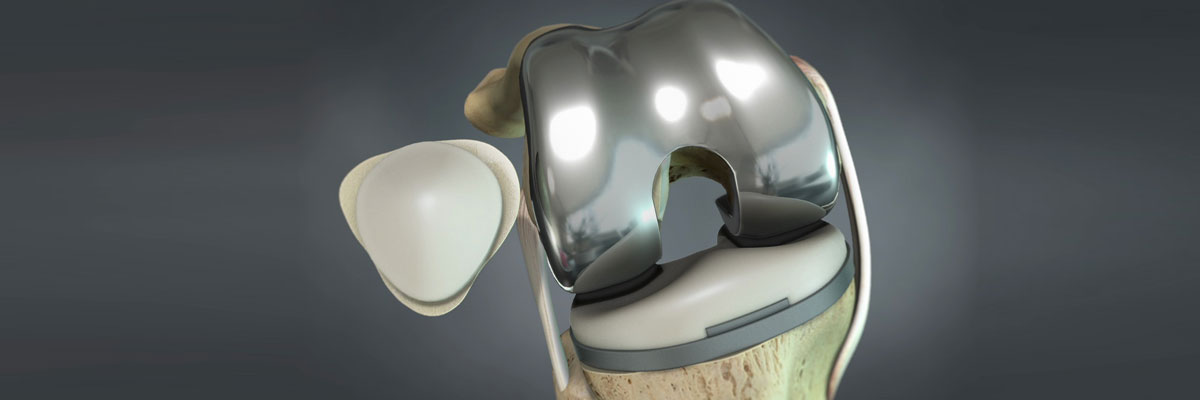
This is a surgery where articular area of knee (femur tibia and occasionally patella) are replaced with specialized material. In modern total knee replacement surgery, only the worn out cartilage surfaces of the joint are replaced. The entire knee is not actually replaced. The operation is basically a resurfacing (or “retread”) procedure. On resurfaced area, hip or knee joints made up of specialized alloy metal and ultra high density polyethylene (UHDP) plastic are placed.
How do I know that I require a Joint replacement now?
When you have any of these symptoms, you should consider joint replacement surgery.
In short, if quality of your life is compromised due to limitation in joint, then one should think about this surgery seriously.
How exactly is the operation (TKR) done?
A small incision is applied in front of knee (6-* inch). The knee joint is opened and damaged cartilage and bone are removed. Computer Navigation is used to improve the accuracy of the surgery and decrease the bleeding. It is replaced with metal surface on Thigh bone and UDHP plastic on leg bone. These surfaces are fixed to bone with bone cement. Muscled and ligaments are stitched back. Operation lasts for 1.0-2.0 hours
How long will my joint last?
With prudent use a cemented total knee replacement lasts for approx 15 +years in 90% of patients. TKR/THR surgery is designed to provide painless joint and unlimited standing, sitting, walking and other activities of daily living. You need to do regular exercises, weight reduction and annual review with surgeon.
What happens to me before and after the Surgery? How soon can I regain my activities?
The patient is thoroughly evaluated & investigated to find out fitness to undergo surgery. Once fit, patient is admitted to the hospital one day before surgery. After surgery patient is kept for 5-8 days in hospital. Movements of the joints and standing are started day same dayof surgery with some support. Patients will start walking using a walker and crutches. Eventually, patients will learn to walk up and down stairs and grades. A number of home exercises are given to strengthen thigh and calf muscles By the time of discharge, the patient is independent to move from bed to toilets and within their room with support of walker / frame. The patient is followed up to one month, three months and then every year to assess the joint function.
How does the patient continue to improve as an outpatient after discharge from the hospital?
It is adviced for patients to continue in an outpatient physical-therapy program along with home exercises for optimal outcome of total knee replacement surgery. Patients will be asked to continue exercising the muscles around the replaced joint to prevent scarring (contracture) and maintain muscle strength for the purposes of joint stability. These exercises after surgery can reduce recovery time and lead to optimal strength and stability. The wound will be monitored by the surgeon and his/her staff for healing. Patients also should watch for warning signs of infection including abnormal redness, increasing warmth, swelling, or unusual pain. It is important to report any injury to the joint to the doctor immediately. Future activities are generally limited to those that do not risk injuring the replaced joint. Sports that involve running or contact are avoided, in favor of leisure sports, such as golf and swimming. Swimming is the ideal form of exercise, since the sport improves muscle strength and endurance without exerting any pressure or stress on the replaced joint.
How painful is the operation. What anesthesia is used?
Modern medicine pays much emphasis on pain control after surgery and many recent advances are done in this field. This is result of modern pain control team that pain control after surgery is excellent. We do have strict pain control regimens for the benefit of the patient. Usually spinal or epidural anesthesia is used, which anaesthetizes the lower body. There is no pain during the operation. After surgery, epidural is used as patient controlled analgesia, with remarkable pain relief. Cocktail analgesia gives remarkable pain relief to the patient. Multipara monitors are used for 24-48 hours in recovery.
How normal can I become after operation?
Walking, climbing up and down stairs, driving and swimming are possible without pain. Patient can also play golf, do bicycling, but contact sports, such as jogging is to be avoided. There are joints which allow sitting cross legged but routine squatting, sitting cross legged is discouraged.
How much will the operation cost me?
Operation is performed at cost effective package deal. The cost includes hospital stay of 5-8 days , operation theater charges, nursing, routine medicines, surgeon and anesthetic charges, physiotherapy and OT drugs, disposables , Implant and cement .
How dangerous is this operation (Complication of Joint replacement surgery)?
Infection: Extreme precautions are taken to avoid this complication. Such as Strict O.T. protocol, patient preparation, OT equipped with modern equipments, use of broad spectrum antibiotics. With all aseptic precautions, less than 1% patients develop infection in joints.This may result in prolong stay, iv antibiotics, sometimes revision surgery.
Thrombosis: Clotting of blood in lower limb veins can occur in 5-6 % of patients. These if occur can be treated by blood thinning agents and a little longer hospitalization. About 1% chance is that the clot may go to lungs.
Wear, loosening of joint: Prolonged use can cause loosening and wear of artificial joint. This usually happens over 10-15 years. If it happens, the joint can be changed and patient once again becomes active.sometimes allergy to metal parts can occur, few patients may develop patellar cluck syndrome. Other risks include urinary tract infection, nausea and vomiting (usually related to pain medication), chronic knee pain and stiffness, bleeding into the knee joint, nerve damage, blood vessel injury, Further more, the risks of anesthesia include potential heart, lung, kidney, and liver damage. Few patients may some blood transfusion reactions
What if I do not undergo operation. Will it be difficult to do surgery if I wait for a long time?
Joint Replacement surgery is usually an elective operation; however, waiting will only cause more deterioration of the joint and subject patient to a further period of painful life.
What is the most modern way of joint Replacement surgery?
Routine TKR with the help of computer Navigation is the way this surgery should be done. It is not that surgery is not possible without navigation, but it is a important tool to reduce manual and unforeseen errors in the surgery and results in better alignment of the components and which in turn lead to increase in life of the implants. Not only this Navigation also results in better soft tissue balancing and lesser bleeding, lesser risk of fat embolism.
What is Future of Joint Replacement Surgery?
The drastic change this surgery produces in Physical quality life index (PQLI) of patients make it one of the most satisfying procedures of 21st century. Probably the future belongs to Robotics, Custom made implants & Zigs and Stem cell transplantation.